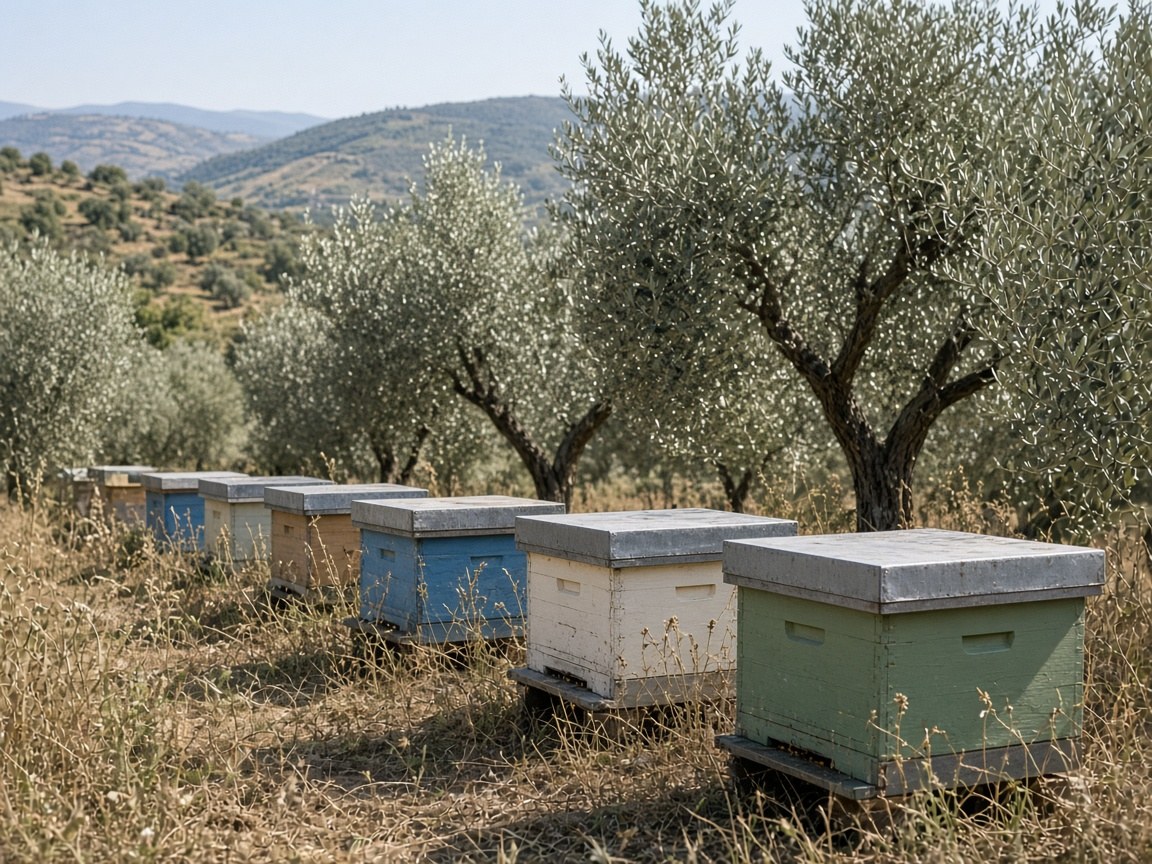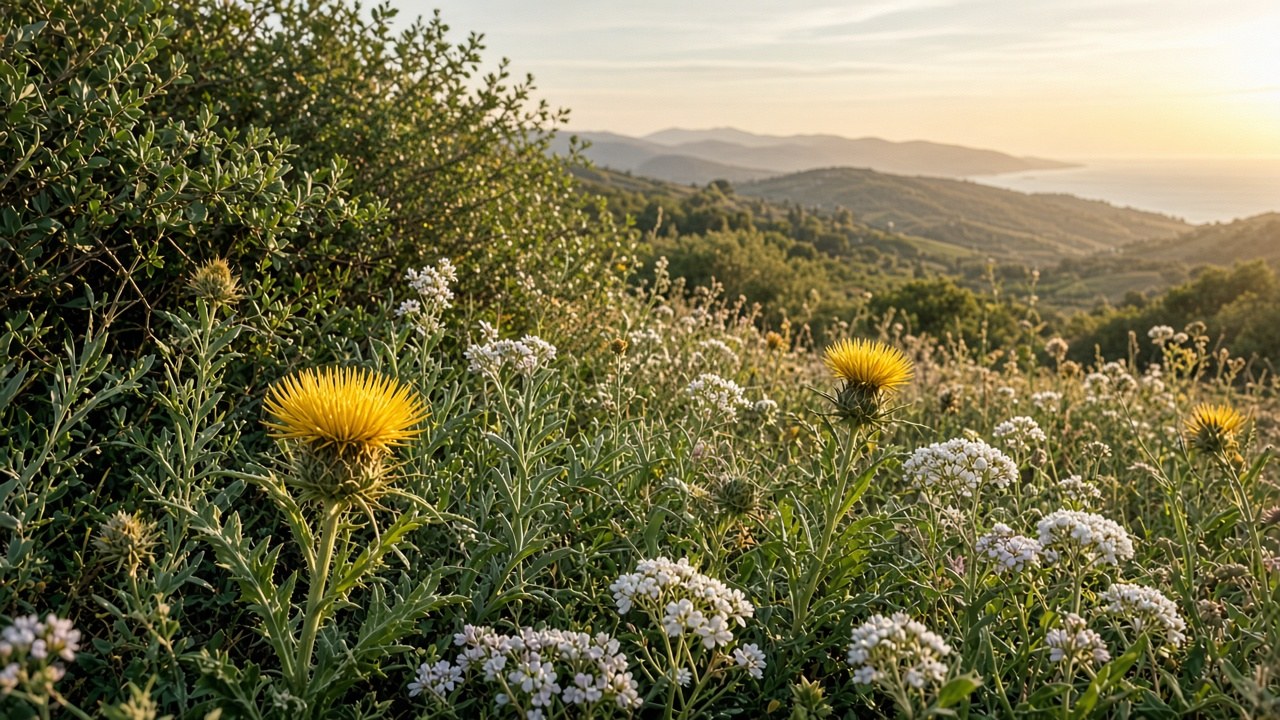
Ridge forage
Colonies work citrus in the wadi, wildflower on the open shoulder, thistle after the first heat, and avocado on the western terraces. We do not move the yard to chase a single crop.
Eighty hives sit on a limestone terrace above Zikhron Ya'akov, working a twelve-kilometre forage of citrus, thistle, avocado and mixed Carmel woodland. We extract four times a year, never off-season, and render leftover comb in the wax room downstairs. Hive mornings and honey flights by appointment.
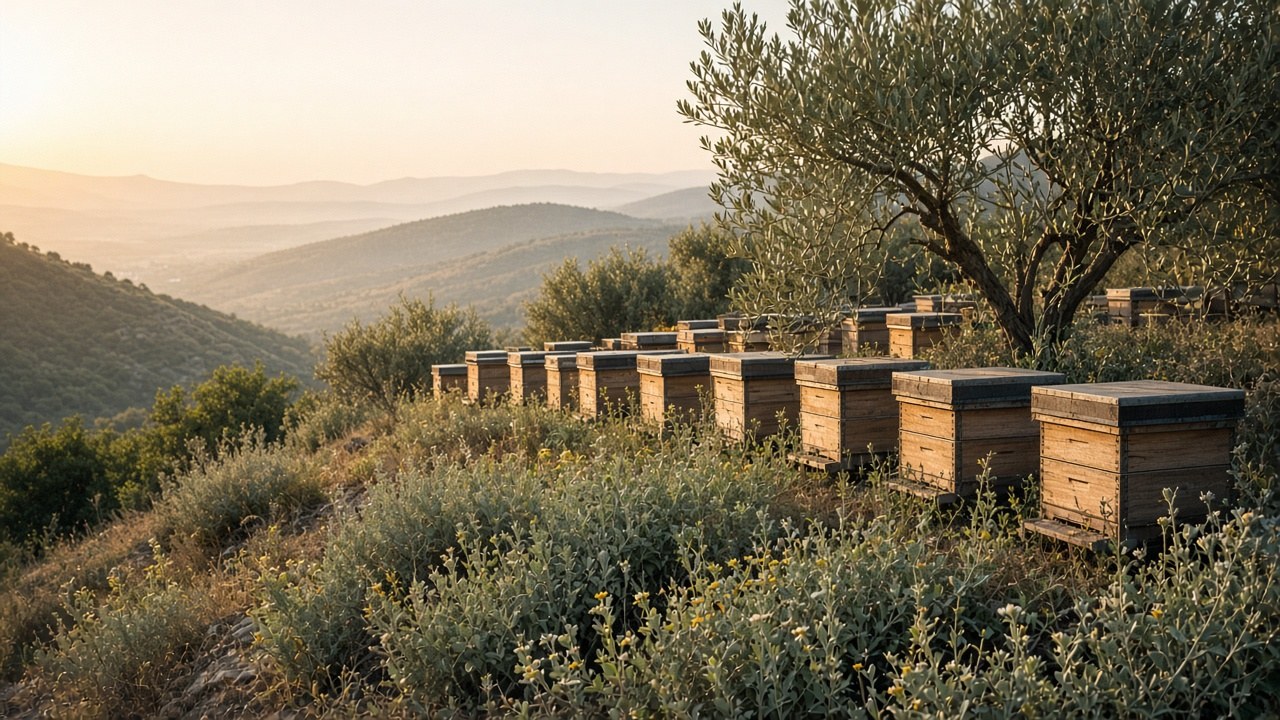 Carmel ridge · looking west
Carmel Ridge Apiary is a working farm and a small wax workshop, not a tasting room with a gift shop bolted on. What leaves the ridge is labelled by forage, jarred in glass, and dated by the super it came from.
Colonies work citrus in the wadi, wildflower on the open shoulder, thistle after the first heat, and avocado on the western terraces. We do not move the yard to chase a single crop.
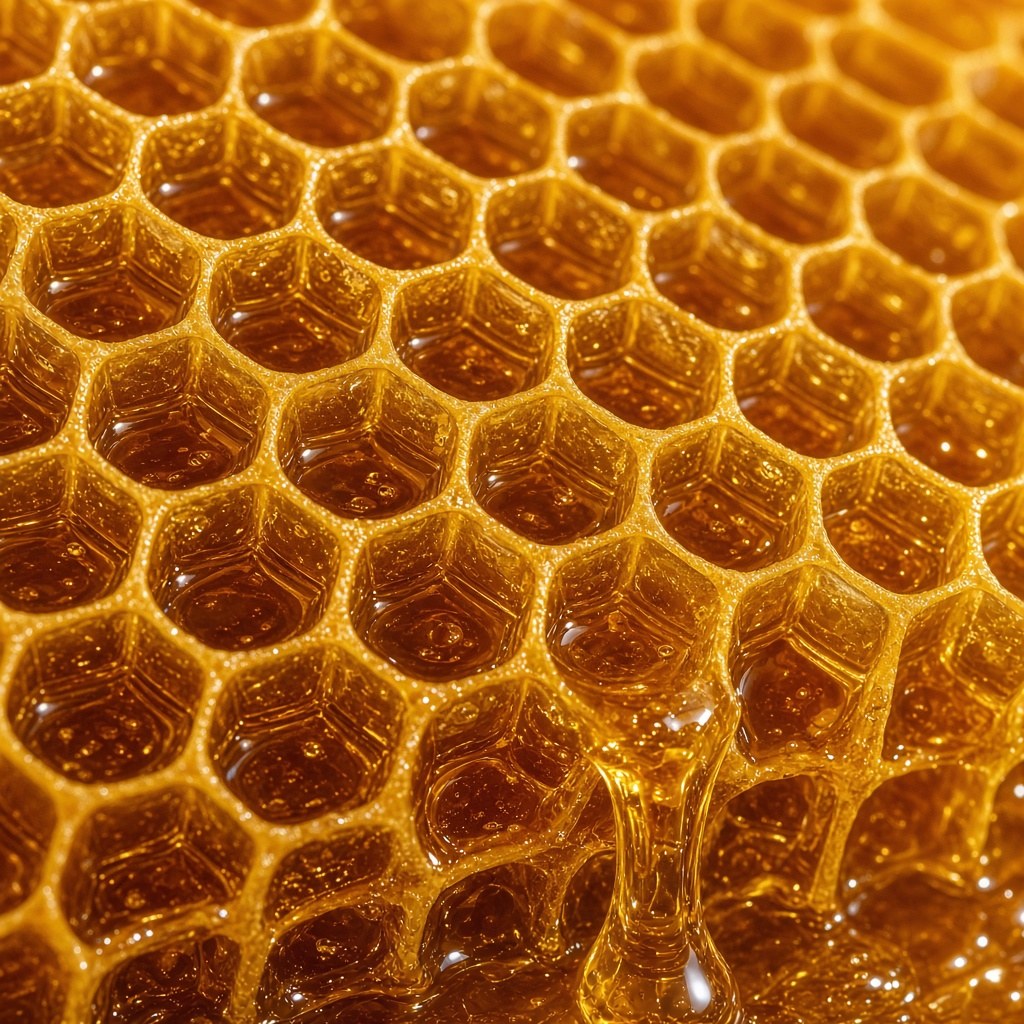
A super comes off when the comb is sealed. We do not blend January citrus with July thistle to fill a uniform flavour. Each harvest keeps its own grain and colour.
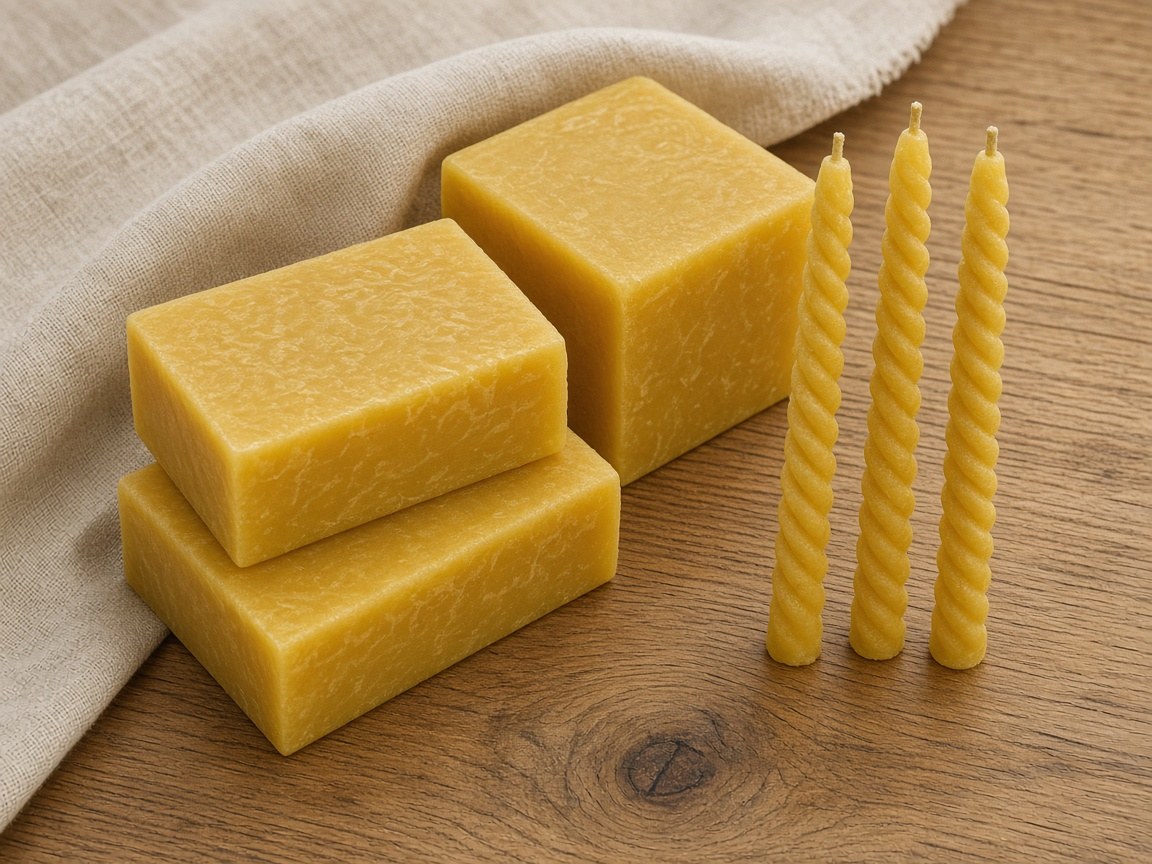
Cappings and old comb are rendered on site. The atelier pours tapers, food wraps and plain blocks. Nothing from the hive is treated as a leftover.
The Carmel does not give a single honey. It gives a year. We follow the bloom, not a production quota.
Pale, quick on the tongue, from the groves that step down toward the coastal plain.
The mixed ridge: sage, mustard, and whatever the wadi still holds after winter rain.
Darker, slower, taken when the slope has gone gold and the bees work the last stubborn heads.
A late western harvest from the terraces, thick in the jar and short in quantity.
Three verbs. No flavouring, no off-ridge blending, no winter syrup in the crop boxes.
The yard stays put. Bees fly a twelve-kilometre radius of citrus, wildflower, thistle, avocado and mixed oak–pine woodland toward Ramat HaNadiv. What is in bloom is what goes into the comb.
When the upper box is capped we lift it and leave the brood nest intact. Uncapped frames wait. We would rather ship a smaller crate than pull a wet super.
Gravity strain, rest, then glass. Each lot is labelled with bloom, pull date and hive row. Forest honey, when the woodland runs, is bottled as its own season, not mixed into wildflower.
Small groups, veils provided, closed-toe shoes required. A honey flight in the wax room follows if you want the year in four spoons. This is a working apiary, not a picnic lawn and not a restaurant.